
"He asked me to scatter him somewhere he'd never stop traveling."
Margaret · Mission AM-07 · March 2025

Where the pull of the Earth becomes a permanent address.
At 400 kilometers above the surface, an object placed in low Earth orbit moves at 7.8 kilometers per second. It does not fall. It falls around the curve of the planet, endlessly, arriving where it started and beginning again.
Your loved one does not drift away. They circle. They return. Every 92 minutes, they pass over the same oceans, the same mountains, the same patch of sky you stand beneath when you need to look up.
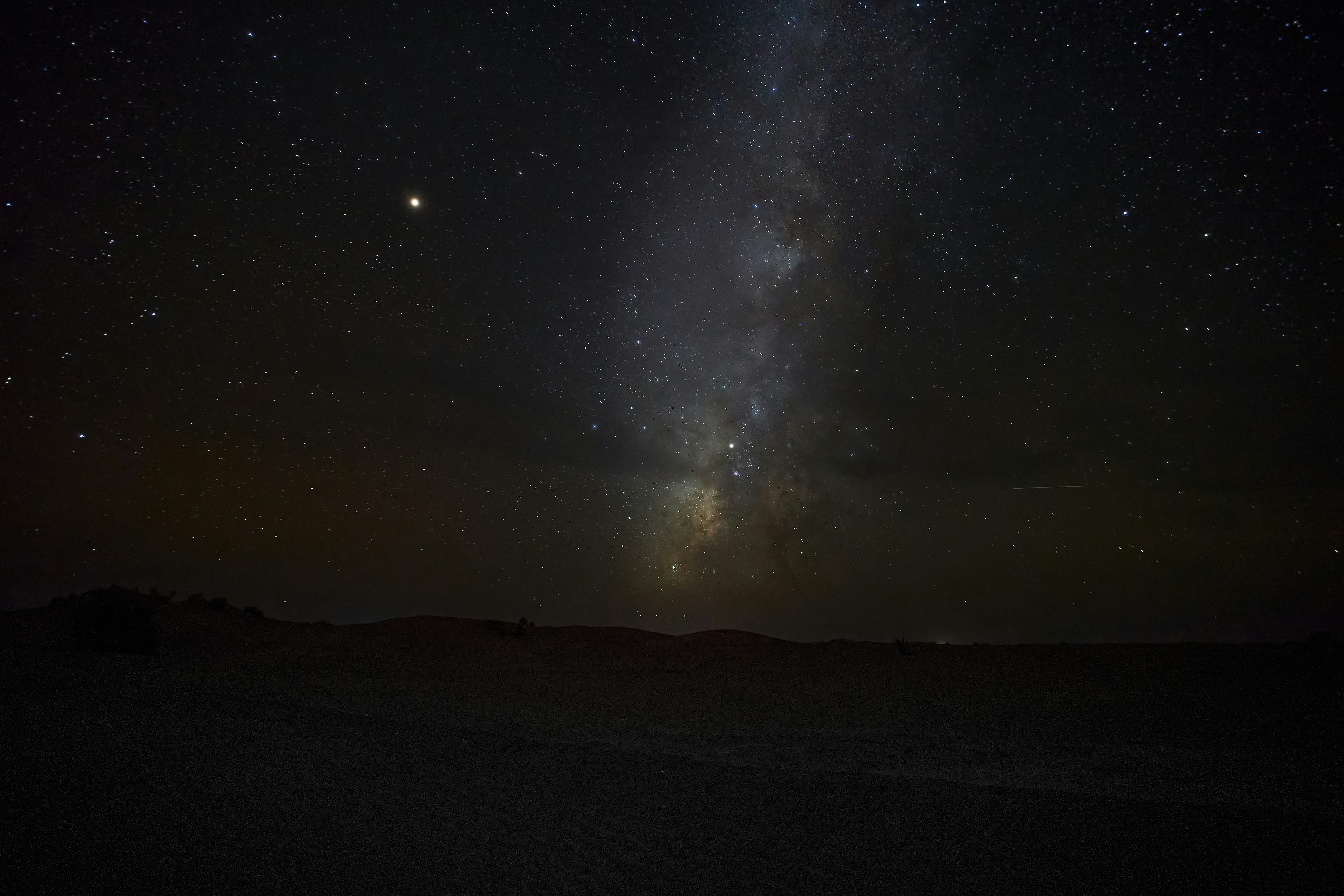
Beyond the gravity well, the journey has no end.
We offer two trajectories. Orbital placement circles the Earth for years before a gentle, flameless re-entry. Deep-space release escapes Earth's gravity entirely — a heliocentric orbit among the planets, a path that will outlast the sun.
Neither is a scattering. Both are a placement. We file coordinates. We issue a certificate. The night sky is no longer abstract.
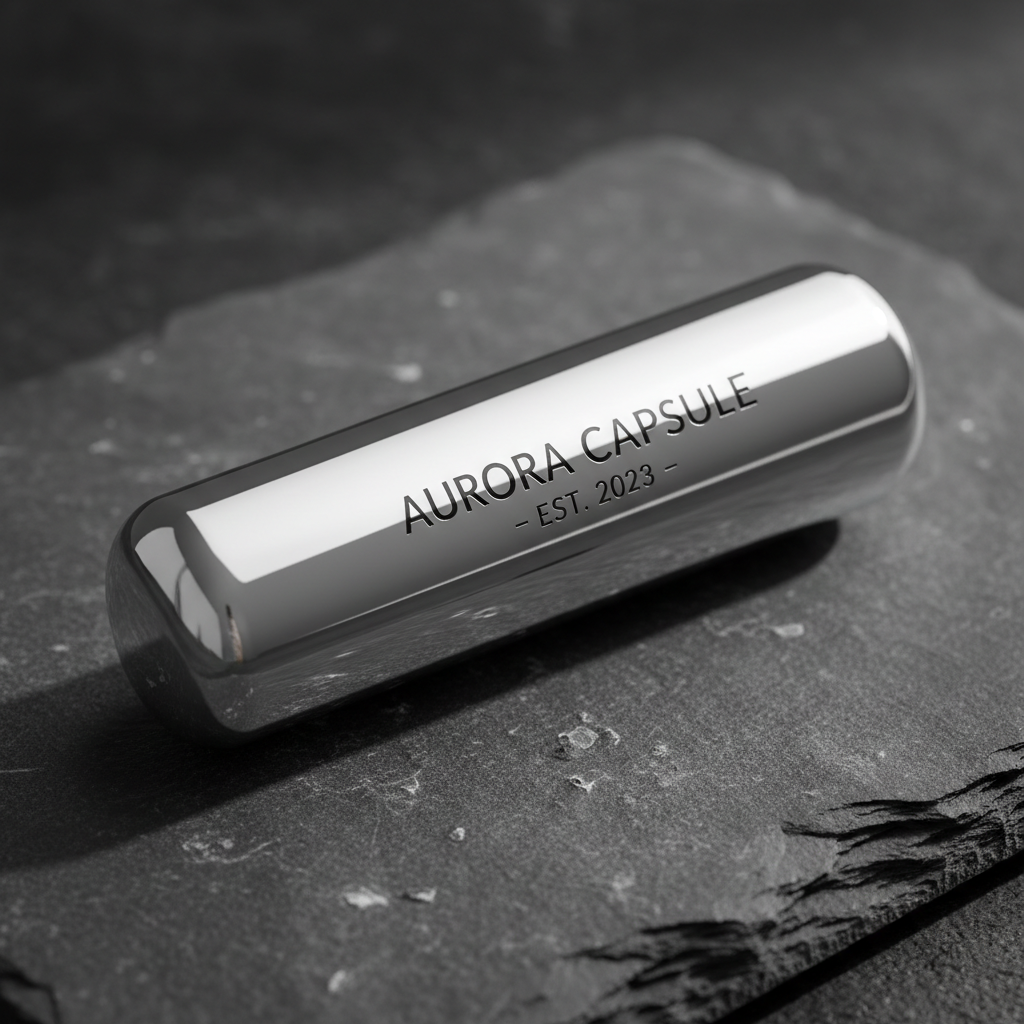
A few grams of ash. A precisely machined farewell.
Each Ascend capsule is machined from aerospace-grade aluminum, engraved with a name and a date. It weighs 3.5 grams. It occupies 1.5 cubic centimeters aboard the launch vehicle.
Small enough to be invisible from the ground. Large enough to carry everything that mattered.
"For what is a star but a furnace
that has not yet gone quiet —
and what is ash but light
that has finished its burning?"
From your hands
to the stars.
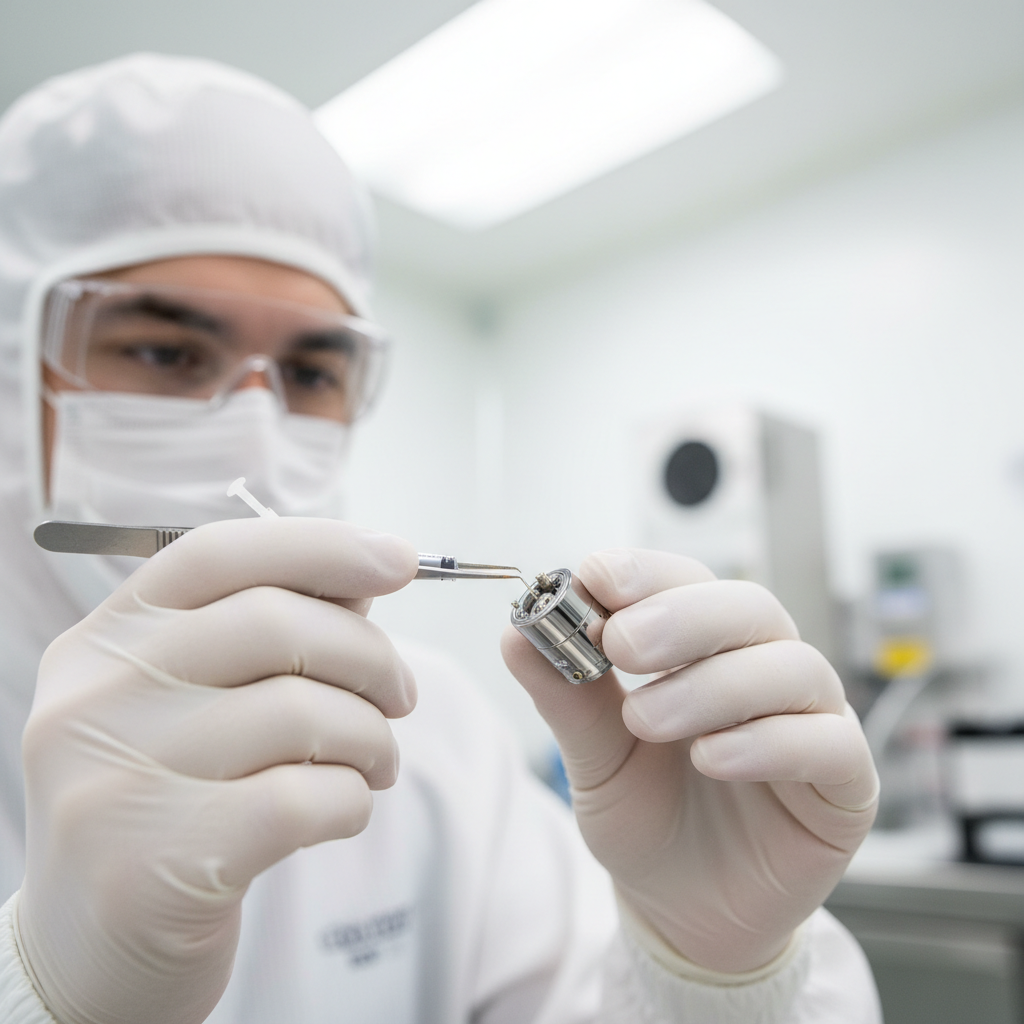
Your name, engraved in aerospace aluminum.
We receive a small portion of cremated remains — 1 teaspoon is sufficient. Our team carefully prepares and seals the capsule by hand in our clean-room facility in New Mexico. The capsule is engraved with a name, a date, and a unique mission identifier.
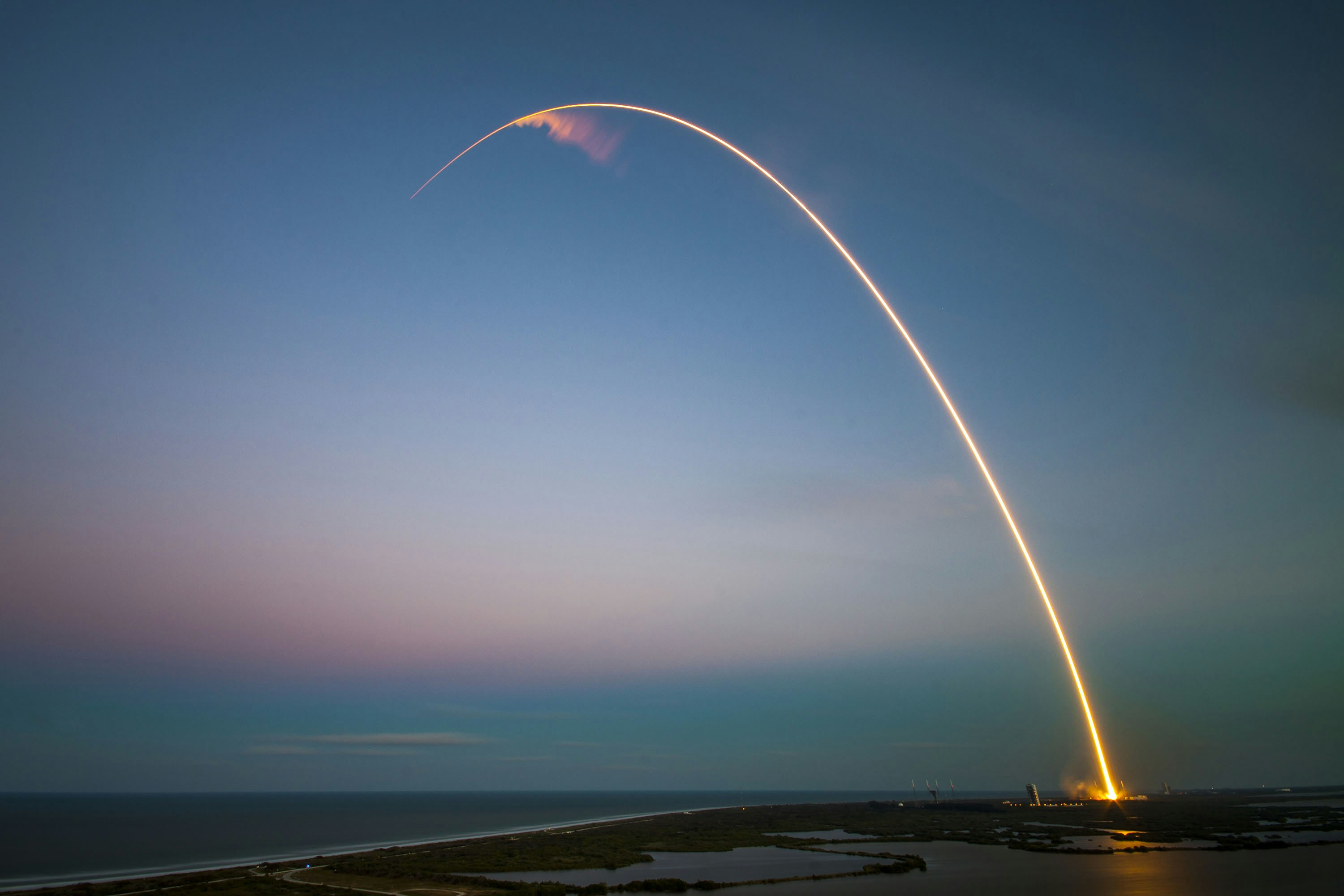
A commercial rocket carries many missions.
Ascend partners with licensed commercial launch providers. Your capsule flies as a secondary payload — a practice standard across the space industry. We notify you of the launch window six weeks in advance. Many families gather at the launch site. Many watch from home, online, in the dark.
At altitude, the capsule is gently released.
For orbital missions, the capsule separates from the launch vehicle at the designated altitude. No explosion. No drama. A quiet release into the silence. For deep-space missions, the capsule follows an escape trajectory — leaving Earth's sphere of influence within 72 hours of launch.
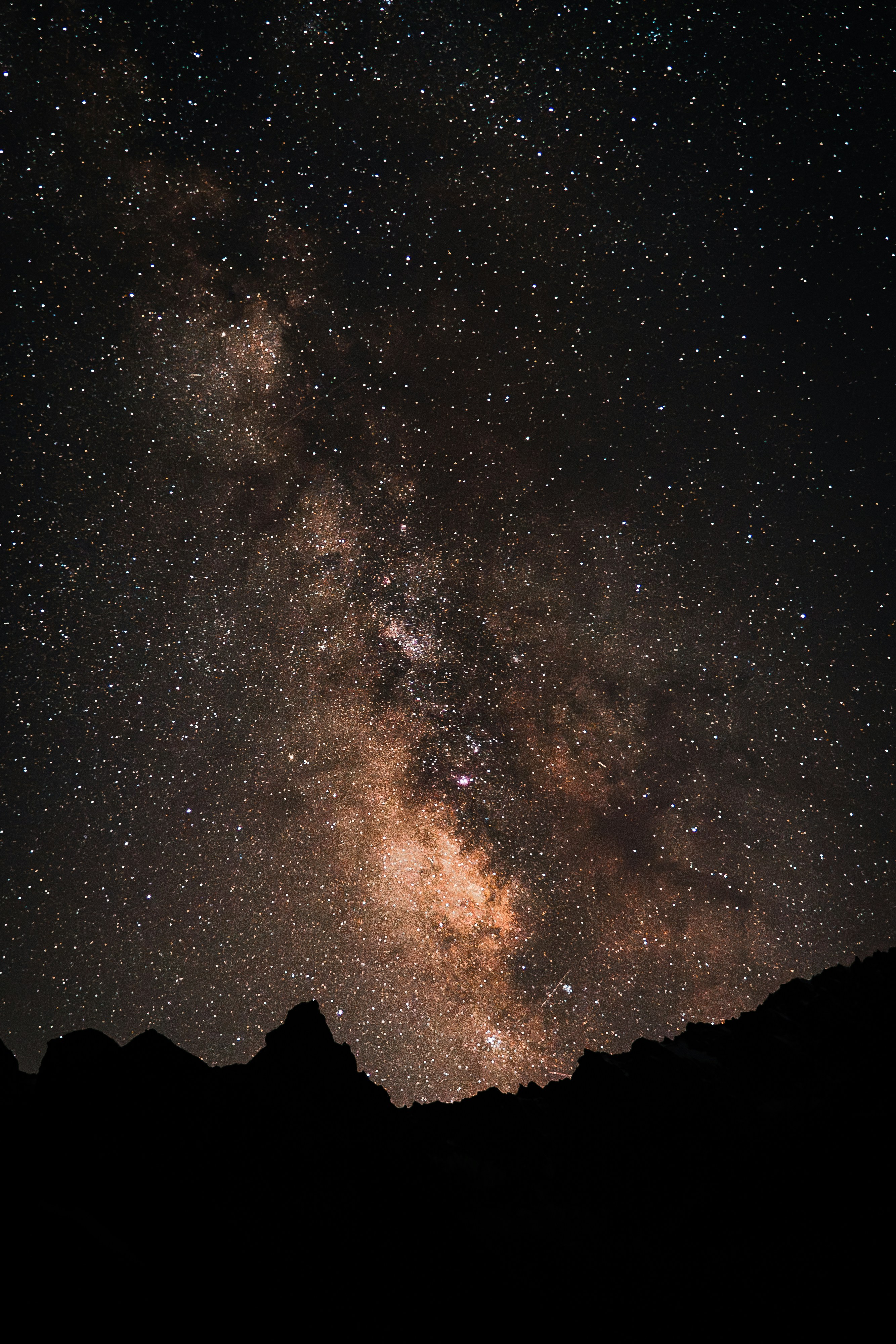
Coordinates, recorded. The night sky, named.
Within 30 days of launch, you receive a Certificate of Celestial Placement — a document bearing the mission identifier, orbital parameters, release coordinates in right ascension and declination, and the precise UTC timestamp of release. Frame it. Keep it. Know exactly where to look.
What families say,
in their own words.
The planning guide
asks nothing
of you yet.
Thirty-two pages. No jargon, no pricing pressure, no forms that feel like hospital paperwork. Just an honest account of what this looks like — the process, the options, the timeline, the questions families ask us most.
When you are ready to talk, we will be here. Until then, the guide is yours.
We ask only for a first name and an email address. Nothing more.
"There is no distance in the dark.
Only light, and the time it takes
to reach you."